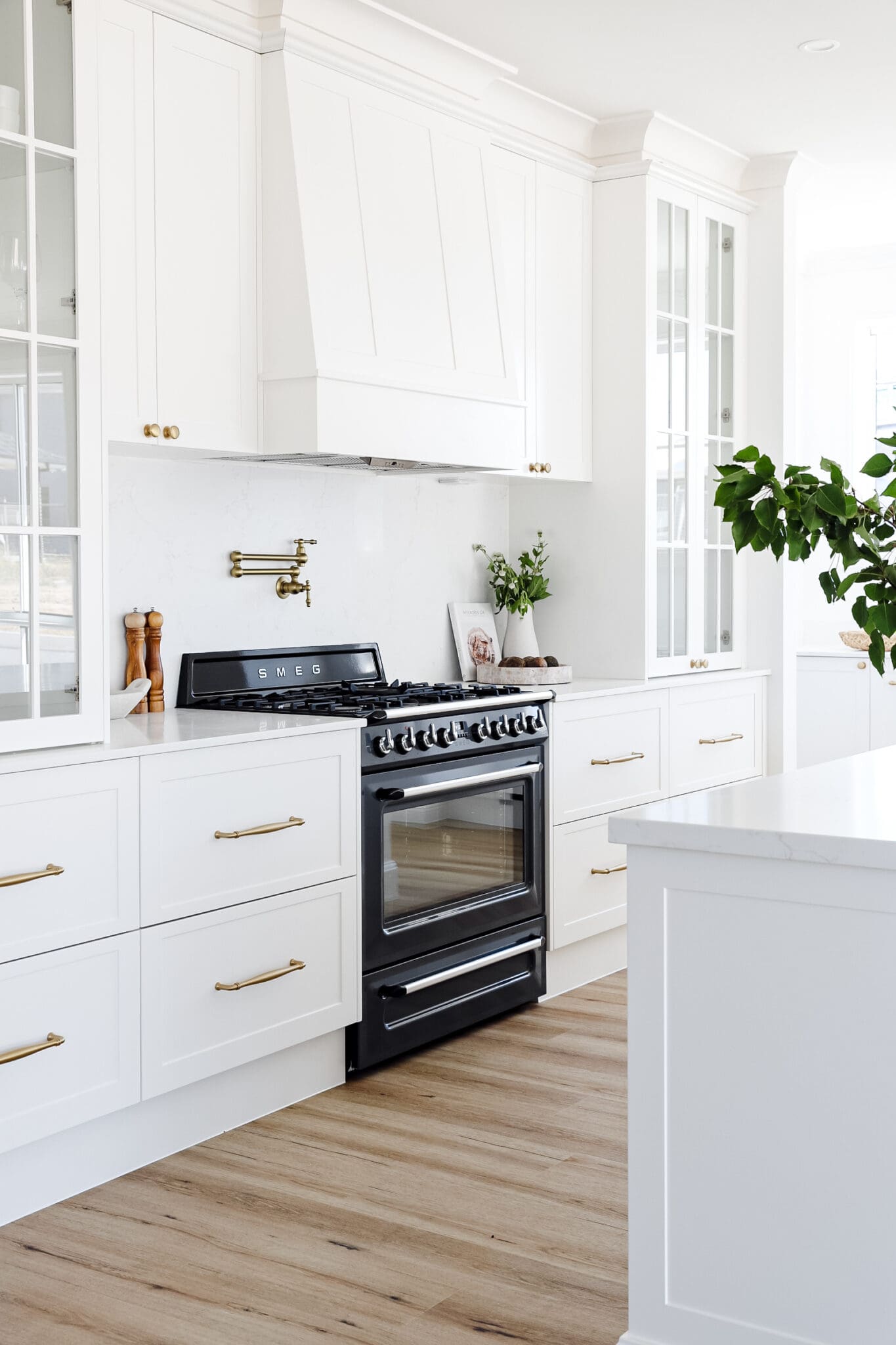
Kitchens & Cabinetry Minto
At Built to Desire, we hold decades of experience in kitchen design in Minto, and we deeply appreciate the kitchen's vital role in a family home. Recognising the kitchen as a hub of family life, we are dedicated to creating spaces that resonate with laughter, meaningful discussions, and culinary creativity.
We specialise in bespoke, high-quality kitchen designs in Minto, tailored to each client's unique needs and preferences. Our approach is to make every kitchen more than just a cooking area, we aim to integrate it seamlessly as a central, cherished part of your home's heart and soul.
Our Services in Minto
Kitchens Minto
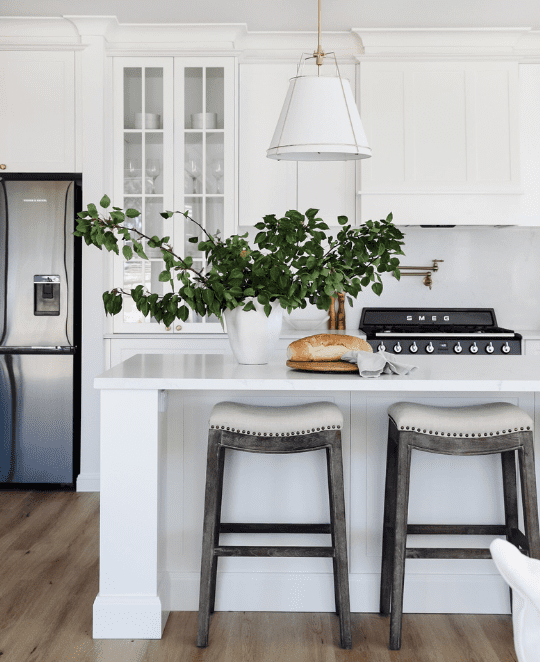
Bathrooms Minto
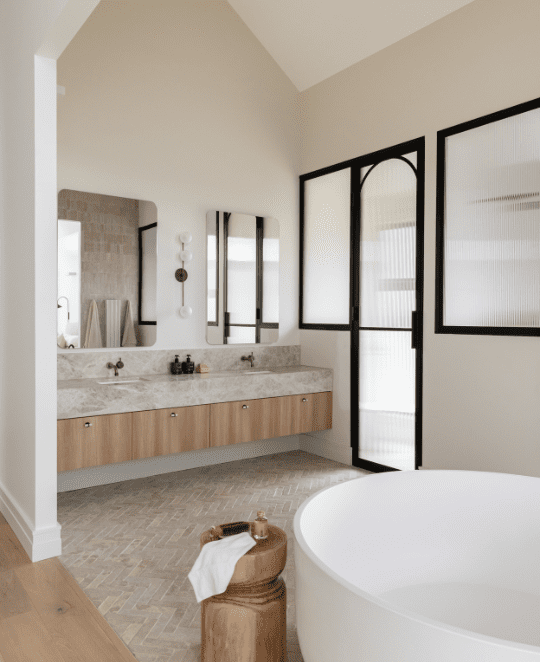
Interior Design Minto
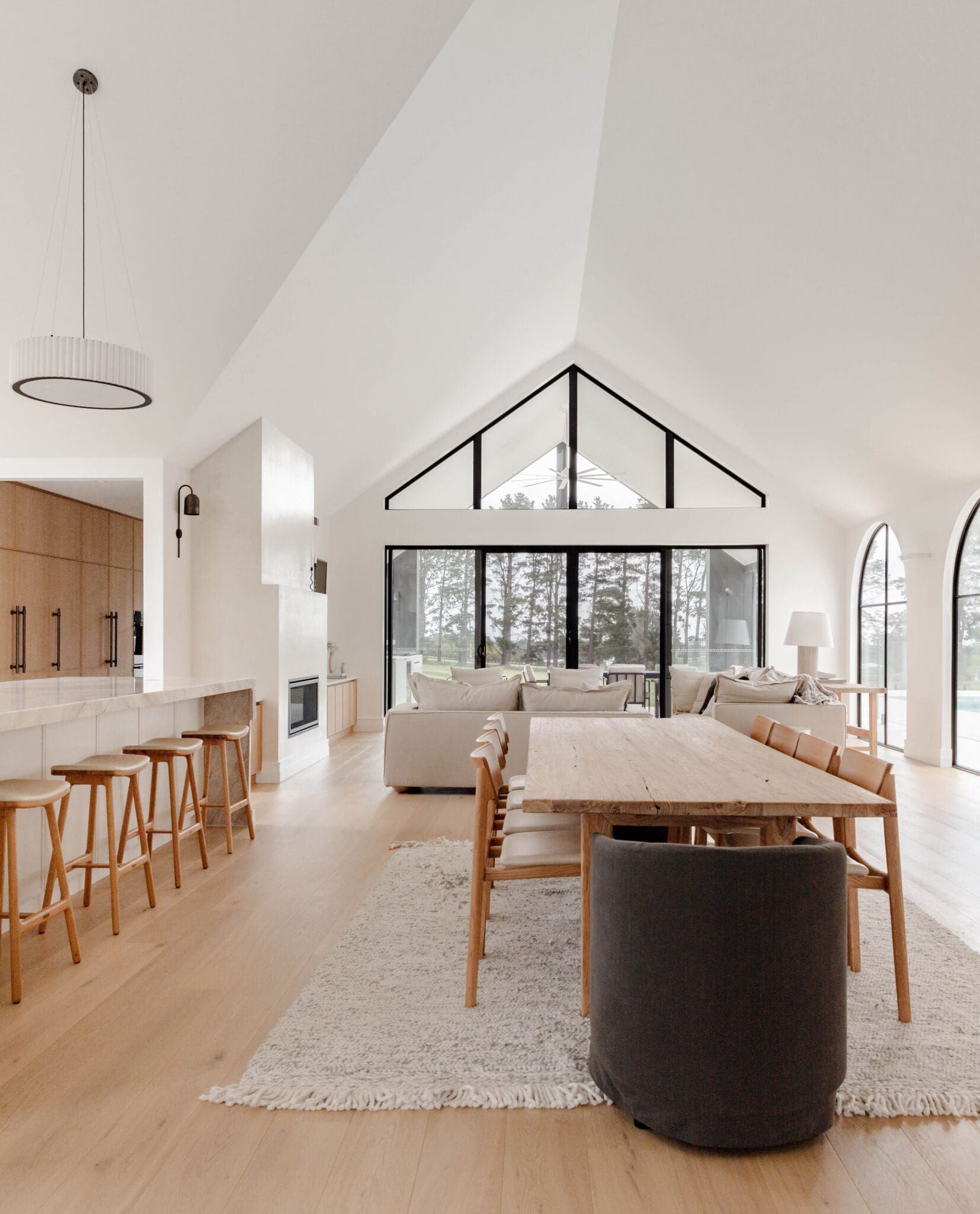
Be Inspired
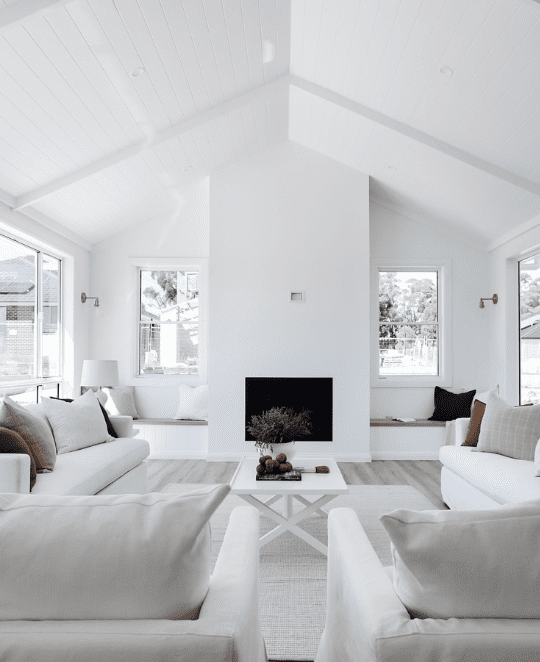
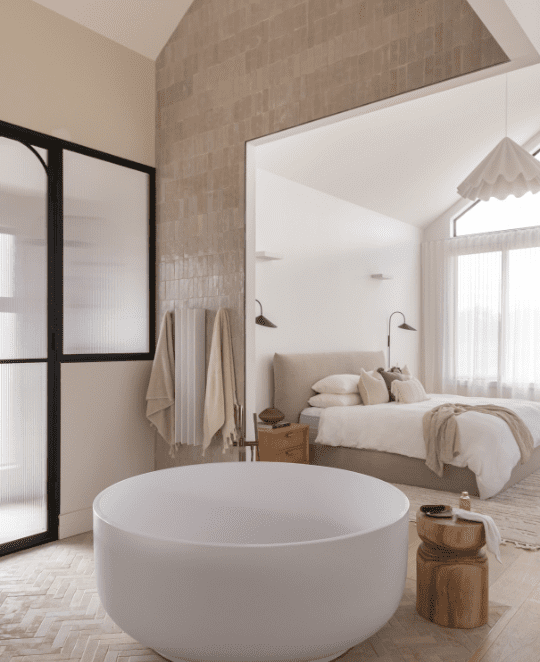
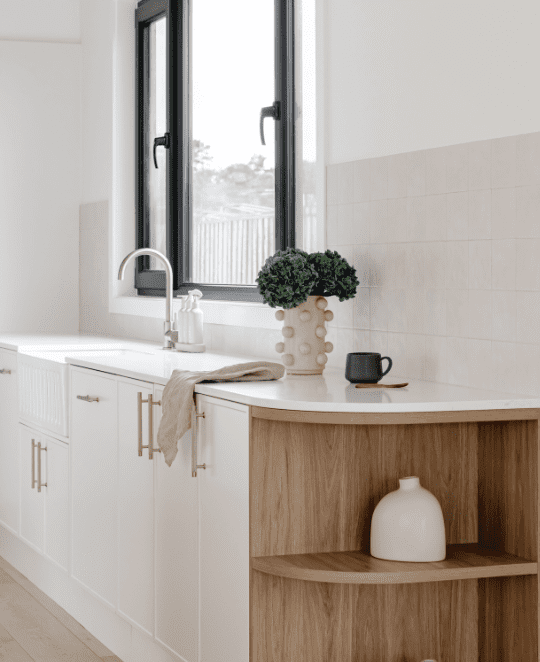
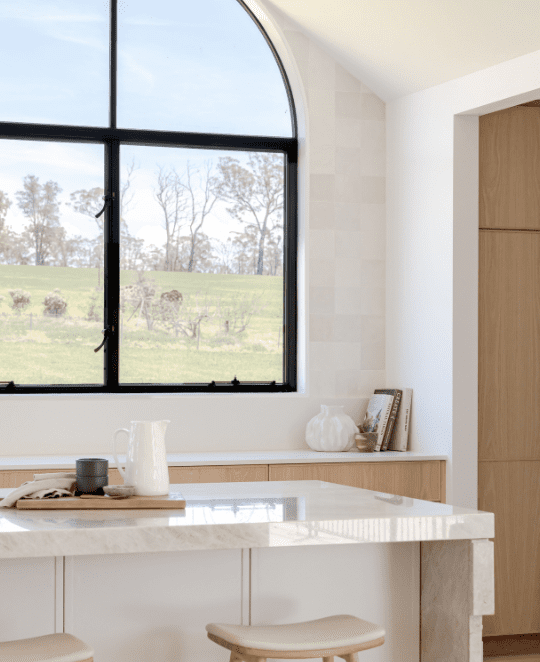
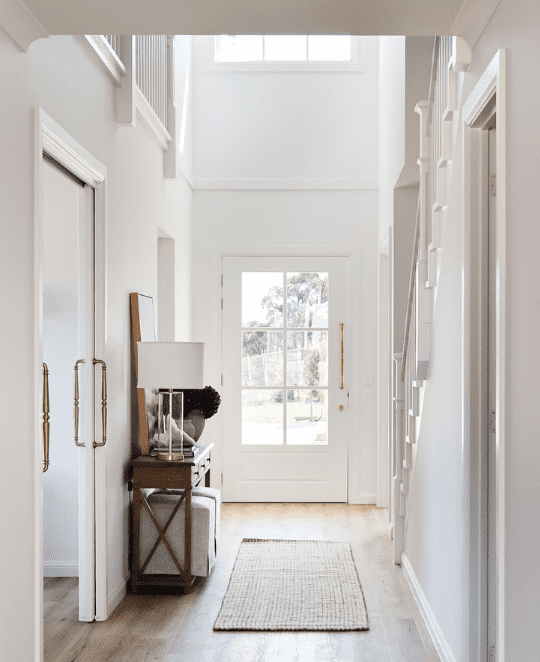
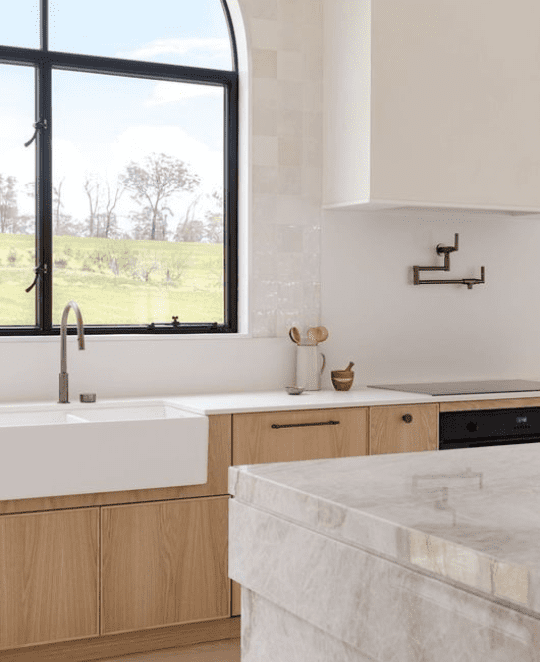
Be inspired. Where imagination meets craftsmanship, creating spaces that reflect your lifestyle.
Click here > to explore more of our work

Why We Service Minto
We service Minto because it is a well-established residential area where homeowners are looking for custom joinery and cabinetry to improve their living spaces. Whether it's upgrading a kitchen, adding better storage, or installing custom-built furniture, there is a strong demand for high-quality, tailored solutions.
Our team specialises in kitchen cabinetry, wardrobes, laundry storage, and other custom joinery to enhance both functionality and aesthetics. We focus on delivering durable, stylish, and practical solutions that suit the needs of modern homes.
More on Minto
Minto has a long history that reflects its transformation from traditional Indigenous land to a key residential and industrial hub in southwest Sydney. Originally inhabited by the Dharawal people, the area was rich in natural resources and played an essential role in Indigenous culture for thousands of years.
European settlement began in the early 19th century when land grants were issued for farming and grazing. The suburb was named after Lord Minto, a former Governor-General of India, and throughout the 19th and early 20th centuries, Minto was largely rural, with farms and orchards dominating the landscape. The arrival of the railway in 1874 improved transport connections, gradually making the area more accessible for both residents and businesses.
By the mid-20th century, urban expansion saw Minto evolve from a primarily agricultural area into a residential and industrial precinct. The development of housing estates provided homes for Sydney’s growing population, while the establishment of industrial zones attracted businesses in construction, manufacturing, and logistics. Minto’s strategic location along major transport routes, including the Hume Highway and M5 Motorway, has made it an attractive destination for companies needing efficient access to Sydney and beyond.
Today, Minto continues to thrive as a mixed-use suburb with strong residential and industrial growth. Businesses like Built to Desire benefit from its accessibility, strong infrastructure, and well-established commercial sector. The suburb’s evolution from farmland to a modern hub reflects its ongoing role in supporting Sydney’s expansion, making it an ideal location for quality construction, design, and manufacturing solutions.