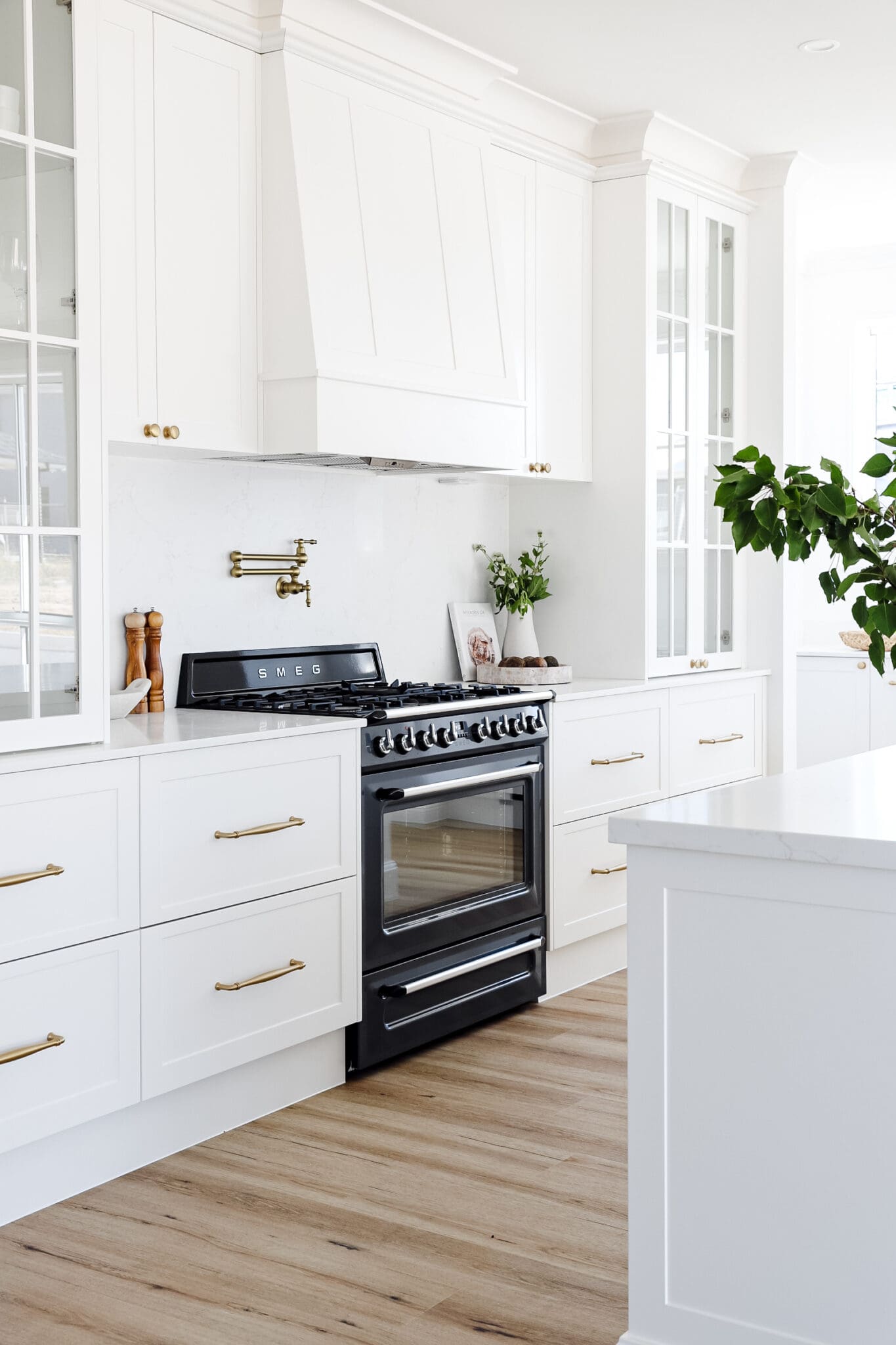
Kitchens & Cabinetry Picton
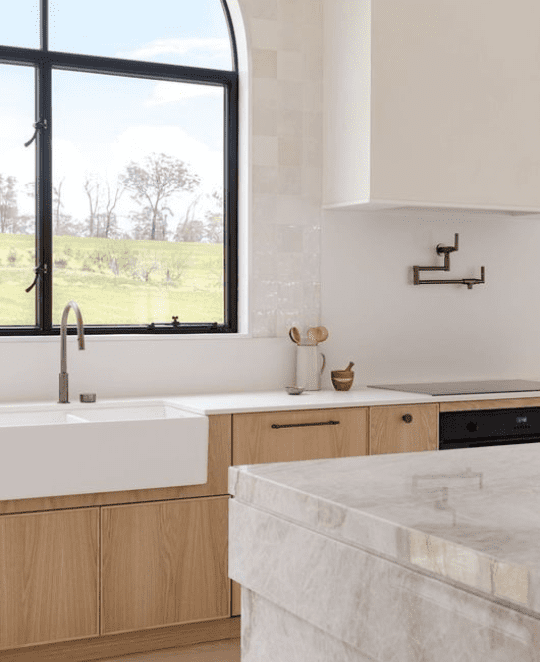
At Built to Desire, we hold decades of experience in kitchen design in Picton, and we deeply appreciate the kitchen's vital role in a family home. Recognising the kitchen as a hub of family life, we are dedicated to creating spaces that resonate with laughter, meaningful discussions, and culinary creativity.
We specialise in bespoke, high-quality kitchen designs in Picton, tailored to each client's unique needs and preferences. Our approach is to make every kitchen more than just a cooking area, we aim to integrate it seamlessly as a central, cherished part of your home's heart and soul.
Our Services in Picton
Kitchens Picton
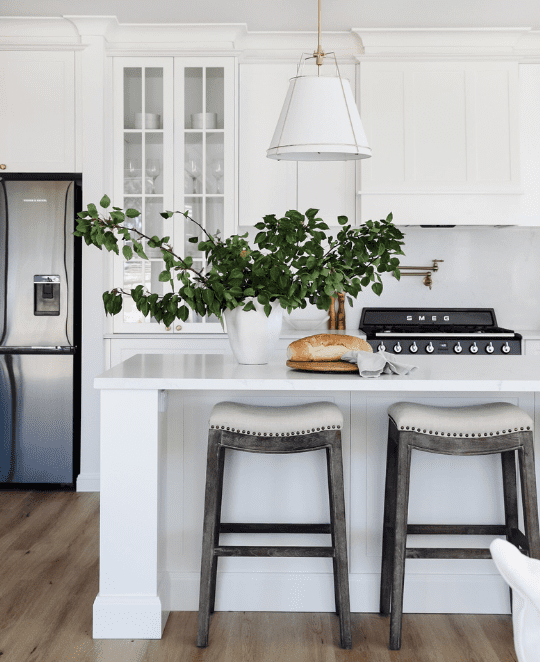
Bathrooms Picton
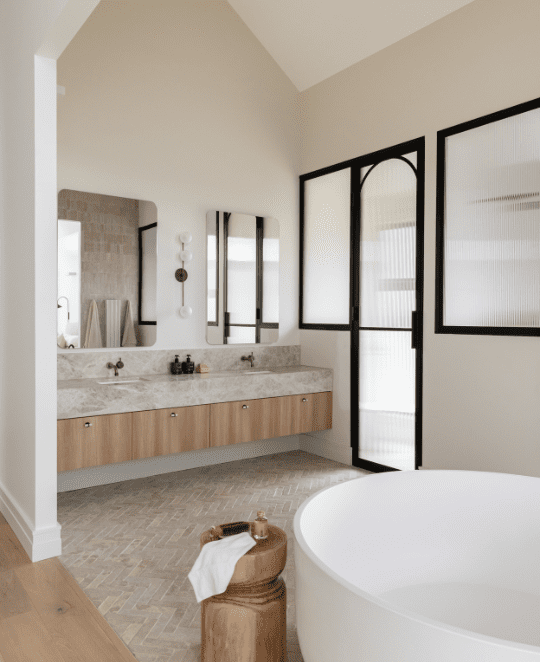
Interior Design Picton
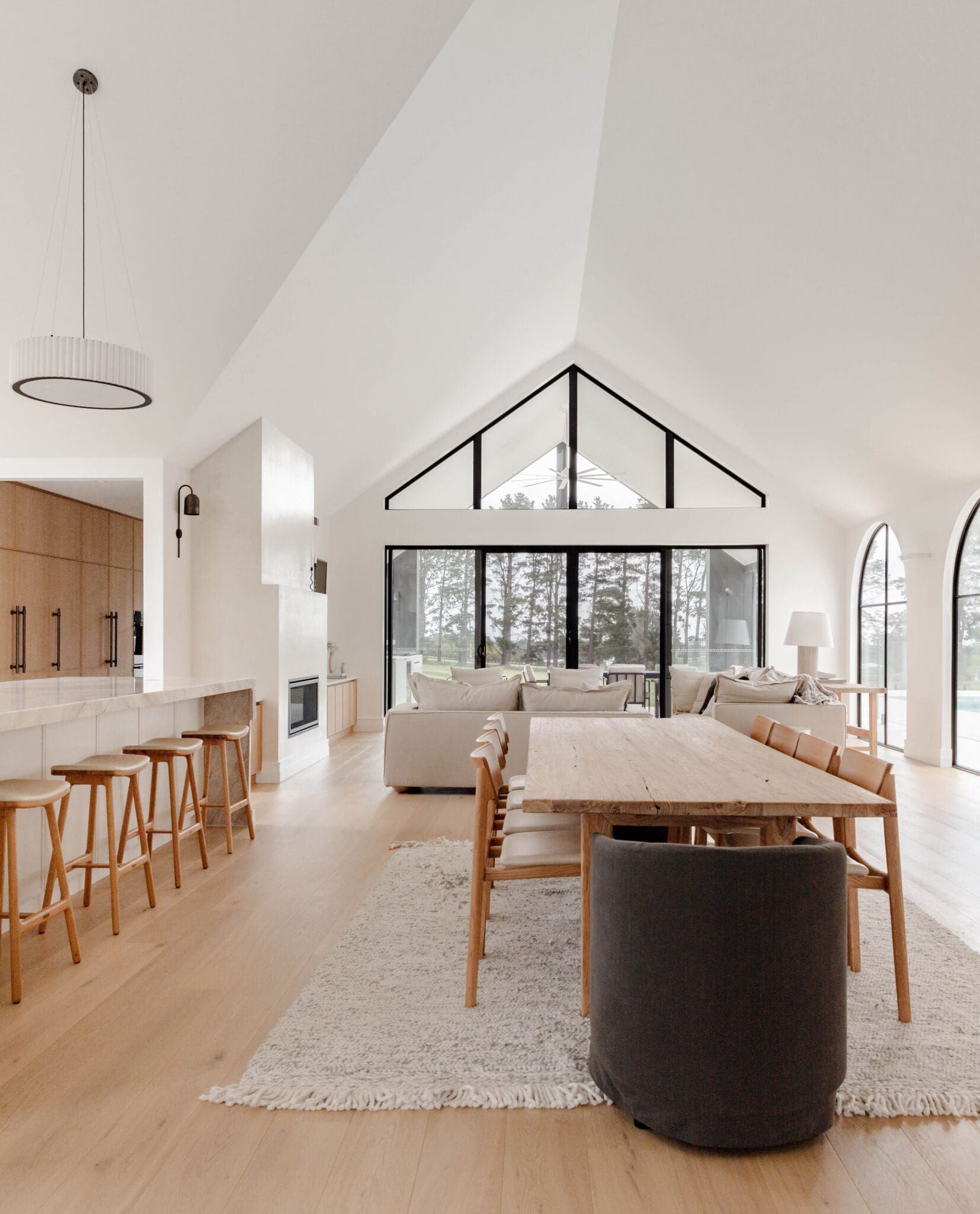
Be Inspired
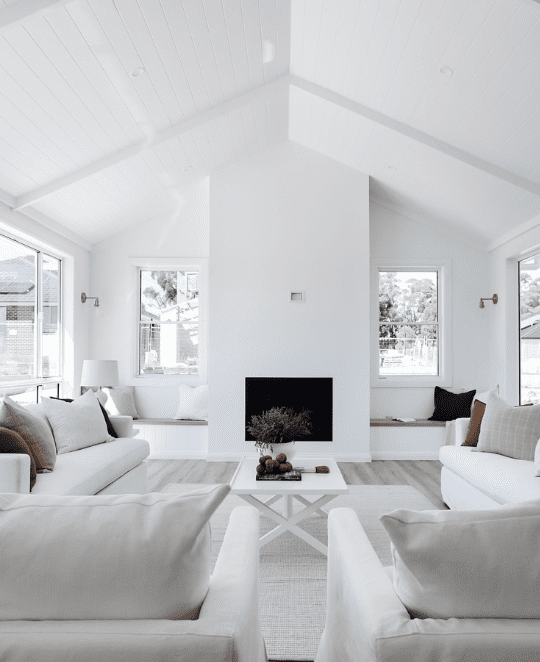
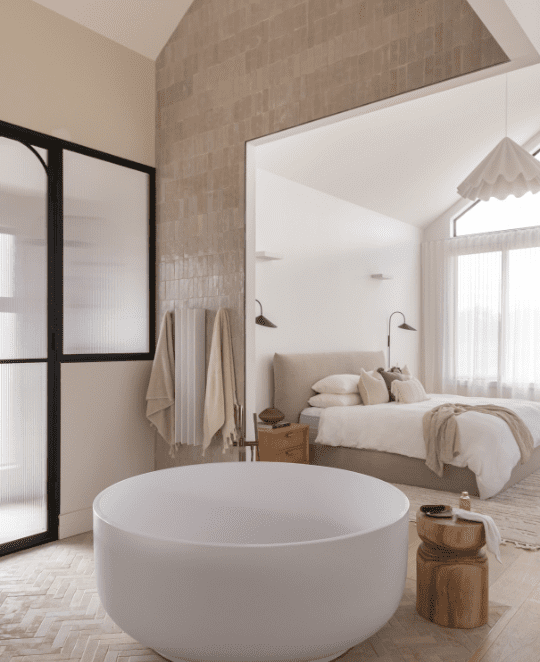
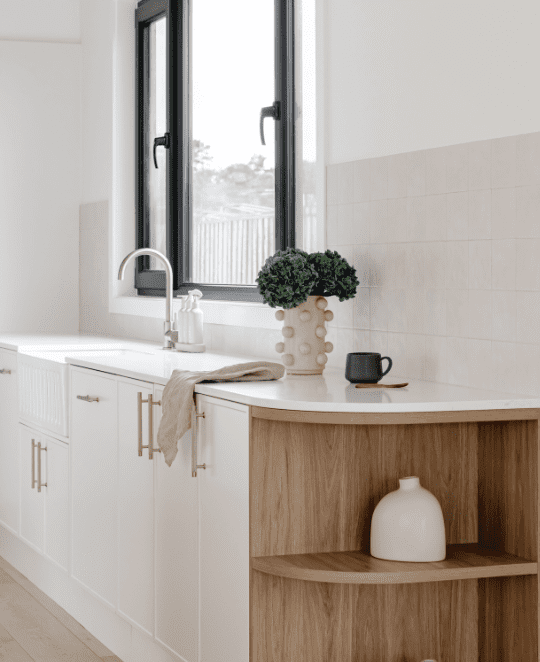
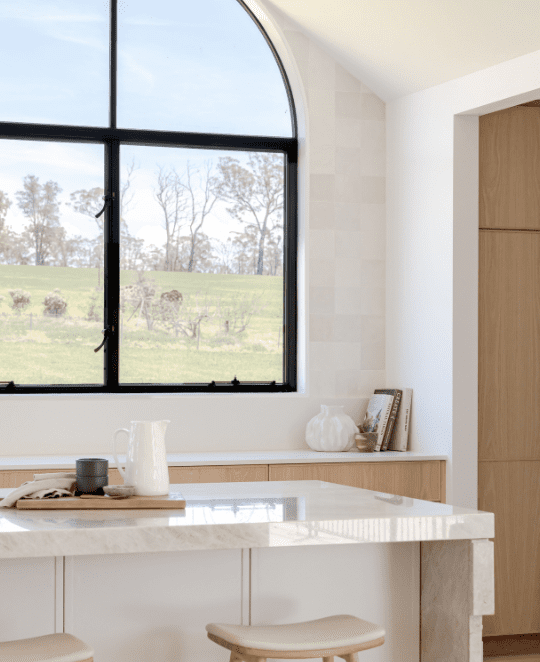
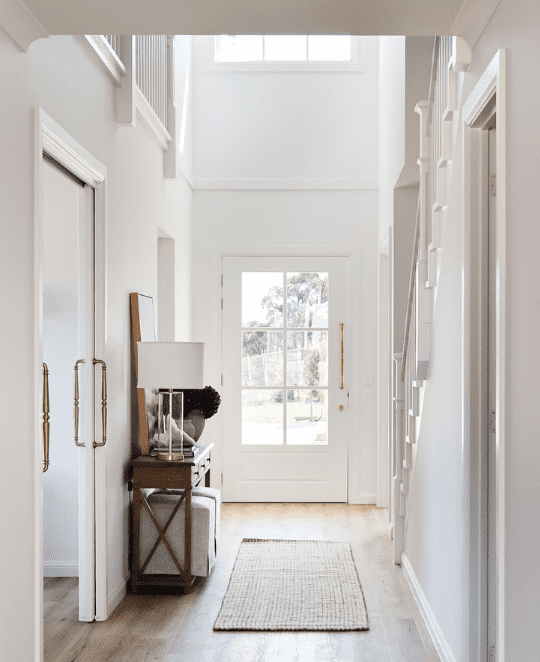
Be inspired. Where imagination meets craftsmanship, creating spaces that reflect your lifestyle.
Click here > to explore more of our work

Why We Service Picton
We service Picton because it is a growing residential area with many homeowners looking to upgrade their homes with custom joinery and cabinetry. With a mix of heritage homes and modern builds, there is a strong demand for tailored storage solutions and high-quality craftsmanship.
Our team specialises in custom kitchens, wardrobes, laundry cabinetry, and other residential joinery, designed to complement each home’s style while maximising functionality. We focus on durability, practicality, and design to create long-lasting solutions.
More on Picton
Picton has a deep history that dates back thousands of years, originally home to the Dharawal people, who lived off the land and used its natural resources for food, shelter, and tools. The area’s rivers, bushland, and rolling hills played a key role in their way of life long before European settlement.
European explorers arrived in the early 19th century, and by the 1820s, Picton became an important stop along the Great South Road, now the Hume Highway. Governor Lachlan Macquarie named the settlement after Sir Thomas Picton, a British Army officer, and the town developed as a key agricultural and transport hub. The construction of the railway in the 1860s boosted growth, making it easier to transport goods and linking Picton to Sydney.
For much of its history, Picton was a rural town known for farming, dairy production, and milling. The fertile land and reliable water supply from Stonequarry Creek supported local agriculture, and historic buildings from this era still stand today. Over time, industrial and commercial sectors expanded, bringing more businesses and opportunities to the region.
Today, Picton continues to grow while maintaining its historical charm. The combination of heritage architecture, green landscapes, and a strong local economy makes it an appealing place for businesses and residents. Companies like Built to Desire benefit from the area's balance of tradition and modern development, offering high-quality construction and design solutions that fit with both historical restorations and new projects. Picton’s evolution from a rural settlement to a growing commercial centre highlights its importance in the expanding southwest Sydney region.